
Successful Installation of First SPECS Momentum Microscopy System
The first KREIOS MM analyzer was recently installed at the UVSOR Synchrotron in Okazaki, Japan
Momentum Microscopy is an emergent application in the field of photoemission spectroscopy. It is especially useful for researchers who are mostly working with topological insulators, 2D materials such as Graphene, or who focus on Fermi Surface mapping of their materials under investigation. Another exciting future trend in this area is the acquisition of spin-resolved Momentum Microscopy images.
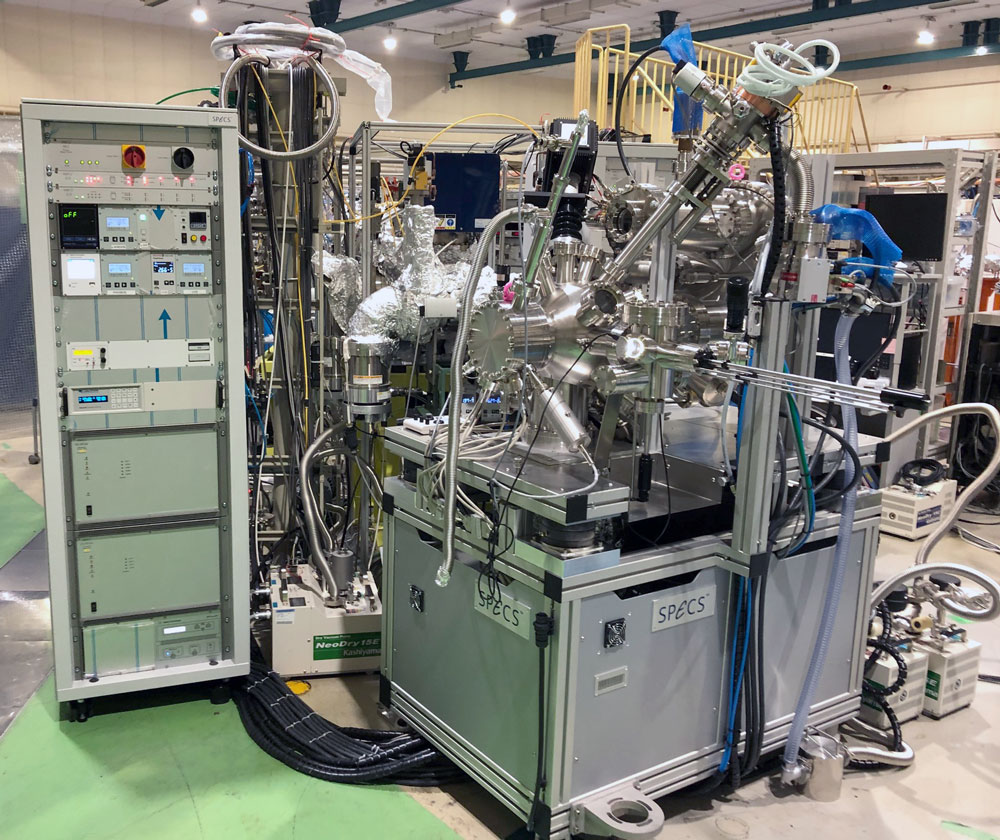
The SPECS KREIOS and KREIOS MM products combine a hemispherical analyzer with a momentum microscopy lens to image the complete band structure of a sample surface in one measurement. Additionally, they offer the options to image the sample surface with a resolution better than 50 nm / 100 nm respectively, and perform spectroscopy on small areas down to 2 um. These features are unheard of in classical ARPES analyzers.
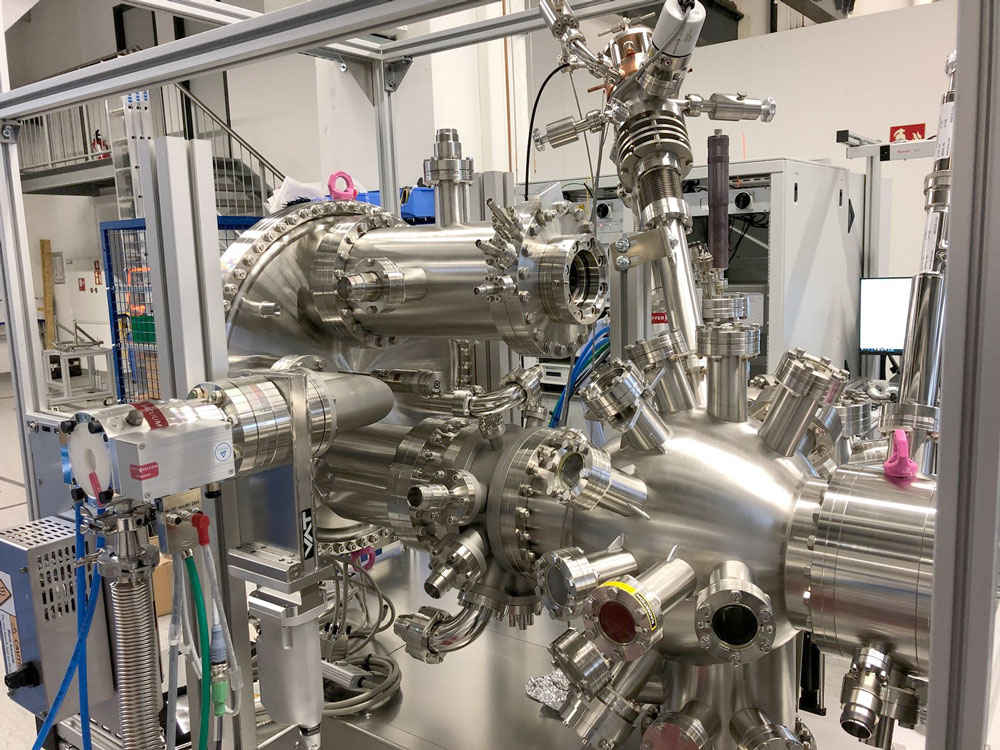
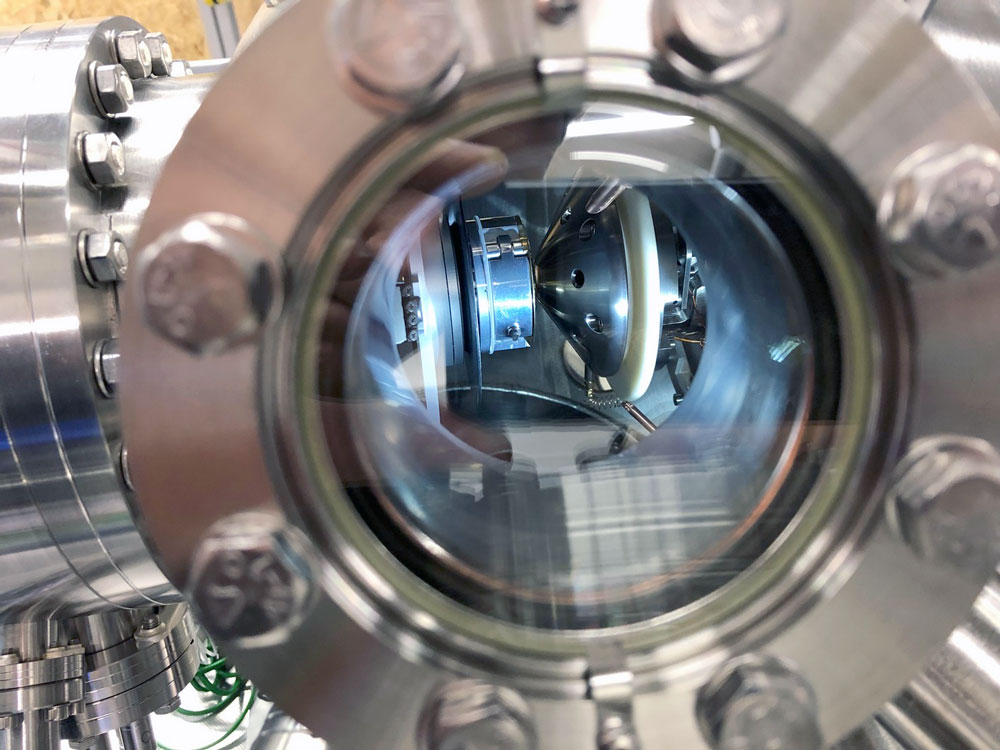
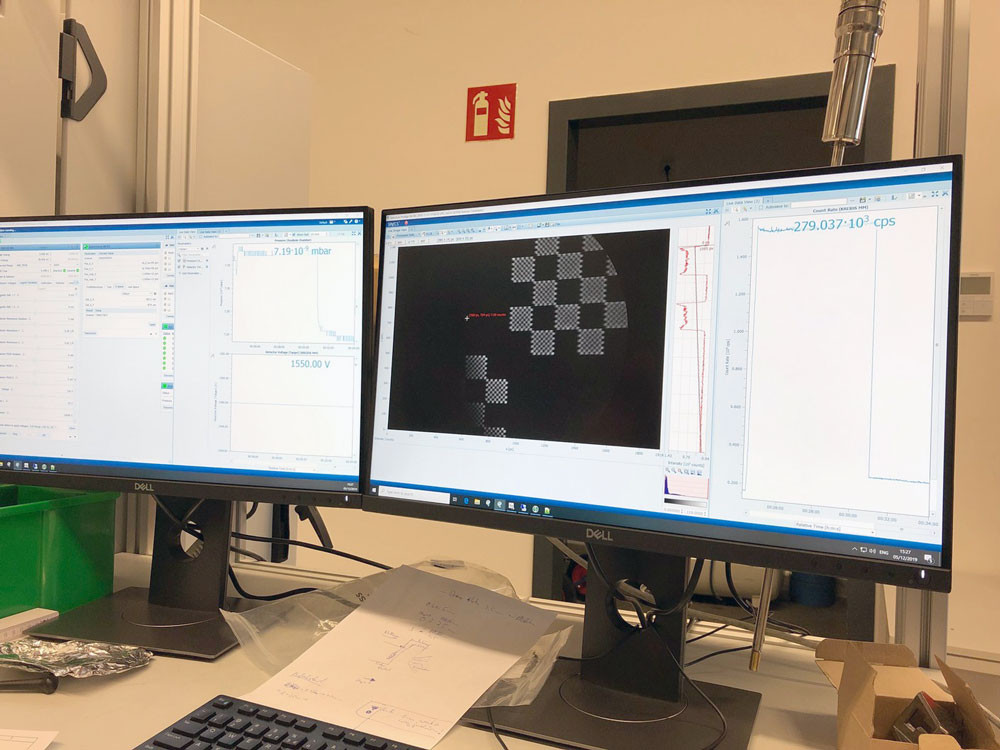
The small spot anaylsis capability of the KREIOS MM calls for the highest possible flux desinty of the photon source employed for photoelectron excitation. It is therefore a perfect product to be installed at synchrotron beamlines, making use of the high brilliance and focus. For laboratory applications advances are also being made with improved manufacturing techniques and newly designed optics. The new UV source generation with a specially designed optics boosts the photonflux density by a factor of 10 compared to established light sources such as the UVS 300.
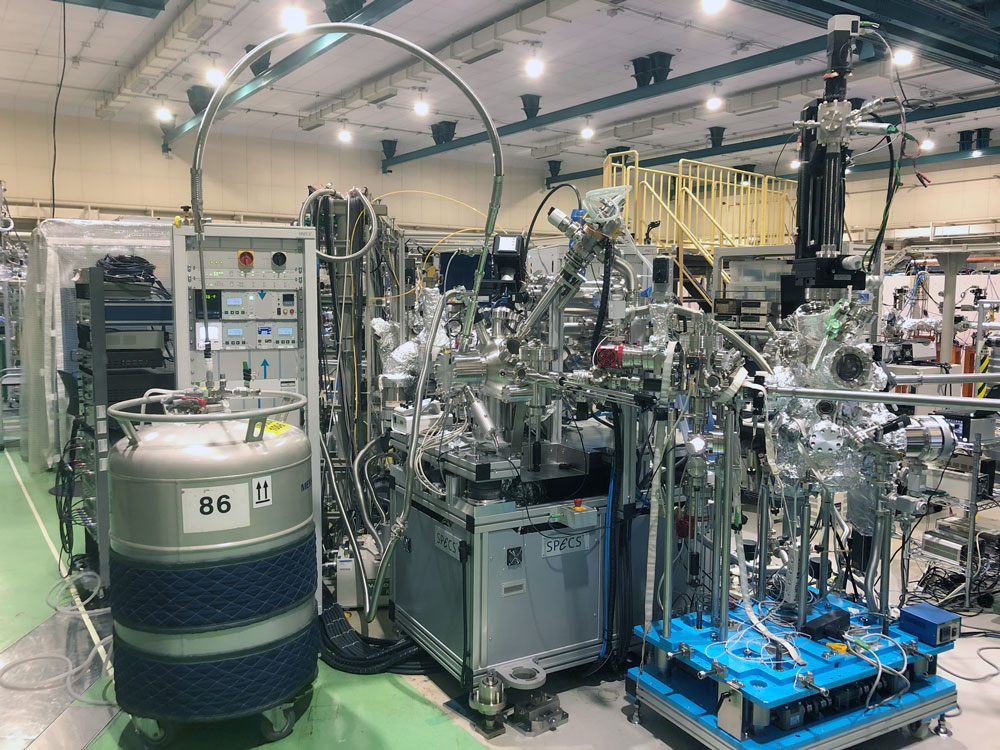
SPECS are proud to announce the successful installation of the first KREIOS MM system at the Japanese UVSOR synchrotron facility located in Okazaki. The system was installed at the end station and will be taken into commission immediately by the responsible scientists.
An upgrade of this already powerful combined ARPES/PEEM/MM system, adding a second hemisphere and an imaging spin filter, which projects the full Momentum Microscopy image across a spin-filtering crystal, have already been confirmed and are scheduled successively for the coming two years.
